UX Leadership
Establishing a UX Practice for Mission-Critical Military Aviation Systems

Context
Multiple military aviation portfolios within Boeing Global Services were developing mission-critical software for fleet management, maintenance, and operational readiness. UX support had historically been limited to temporary, project-based engagements with no sustained UX leadership, research capability, or integration into product strategy.
As a result:
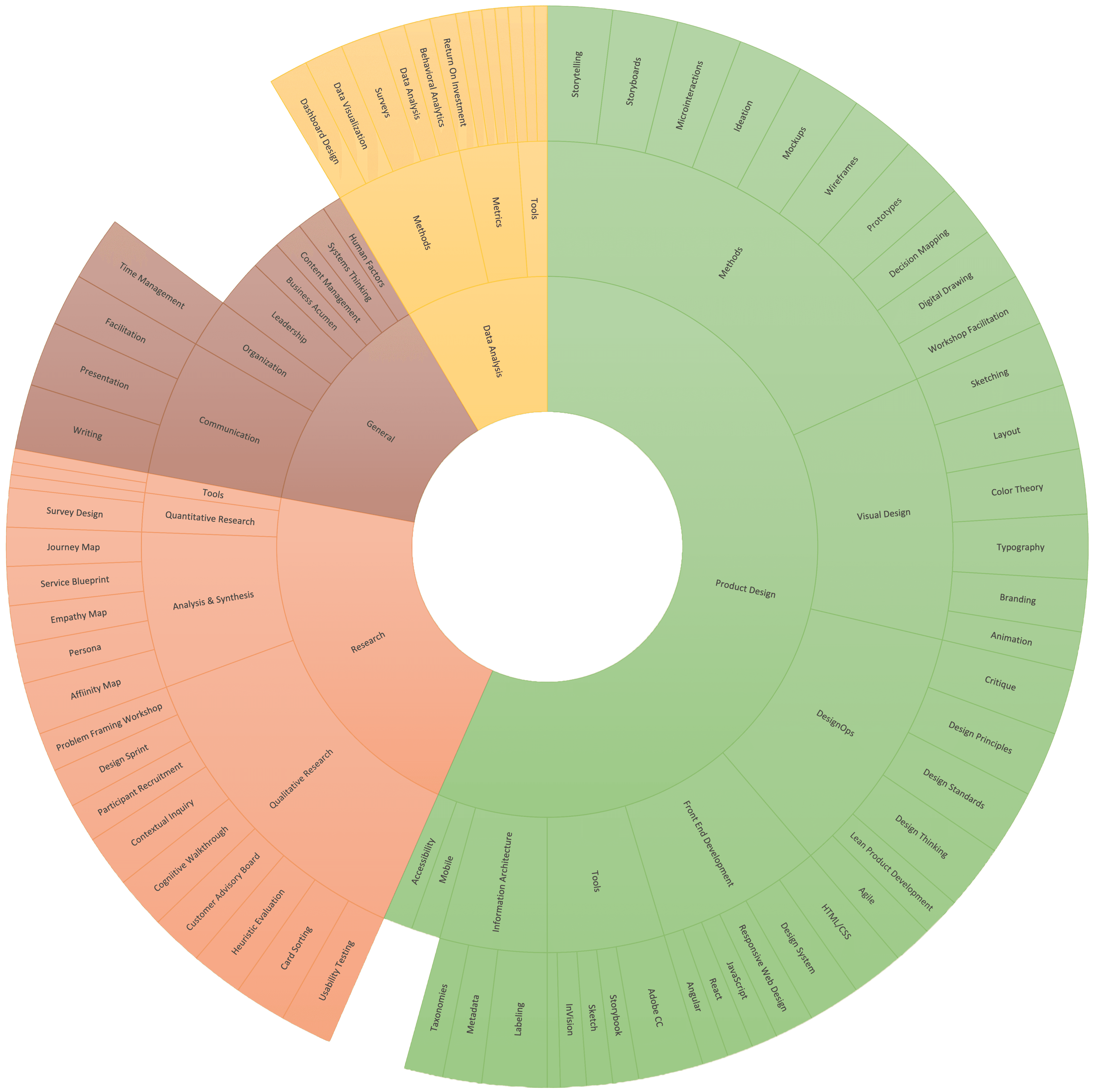
Products were conceived primarily from an engineering perspective, often misaligned with technician workflows
Interfaces were fragmented across dozens of tools and systems
Maintenance workflows relied on disconnected applications and manual workarounds
Product teams lacked structured research and user-centered design practices
Leadership had limited visibility into how UX could reduce operational risk and improve effectiveness
One portfolio, Mission Accelerator, was beginning development of a unified portal intended to consolidate approximately 50 operational tools into a single platform with shared authentication, dashboards, and fleet-level visibility.
I was asked to engage military aviation leadership to establish a sustainable UX capability and support these initiatives.
Objective
The goal was to build a dedicated UX practice and embed user-centered design into military aviation product development.
Specifically, we aimed to:
Establish UX as an integrated capability within military aviation portfolios
Build and scale a dedicated UX team
Improve usability and efficiency across complex operational systems
Ground product decisions in real-world research and field observation
Enable future product innovation through design-driven discovery
Approach
I led the effort through leadership engagement, team formation, field research, and integration of UX into product strategy.
1. Establishing UX Leadership and Building the Initial Team
I worked with Mission Accelerator leadership to demonstrate how sustained UX involvement could reduce risk and accelerate product development.
I defined and led hiring for a senior designer to serve as both practitioner and team lead, then mentored her as she established design presence within the portfolio and built cross-functional relationships.
As UX demonstrated value, we expanded the team to support additional military aviation programs, transitioning UX from temporary support to an embedded organizational function.
2. Building Organizational Alignment and Executive Trust
I planned and participated in workshops with senior leaders and subject matter experts to:
Understand operational workflows and constraints
Identify high-impact product opportunities
Demonstrate how design could clarify product direction
These sessions built trust and positioned UX as a strategic partner. I maintained ongoing alignment through regular executive and portfolio-level reviews.
3. Introducing Design Sprints and Structured Discovery
I worked with our lead facilitator and design team to introduce design sprints that involved end users directly in the design process.
These sprints helped teams:
Define product vision and roadmap direction
Align stakeholders around shared solutions
Validate concepts rapidly with real users
Teams often achieved in days what had previously taken months, accelerating decision-making and reducing ambiguity.
4. Conducting Field Research in Active Maintenance Environments
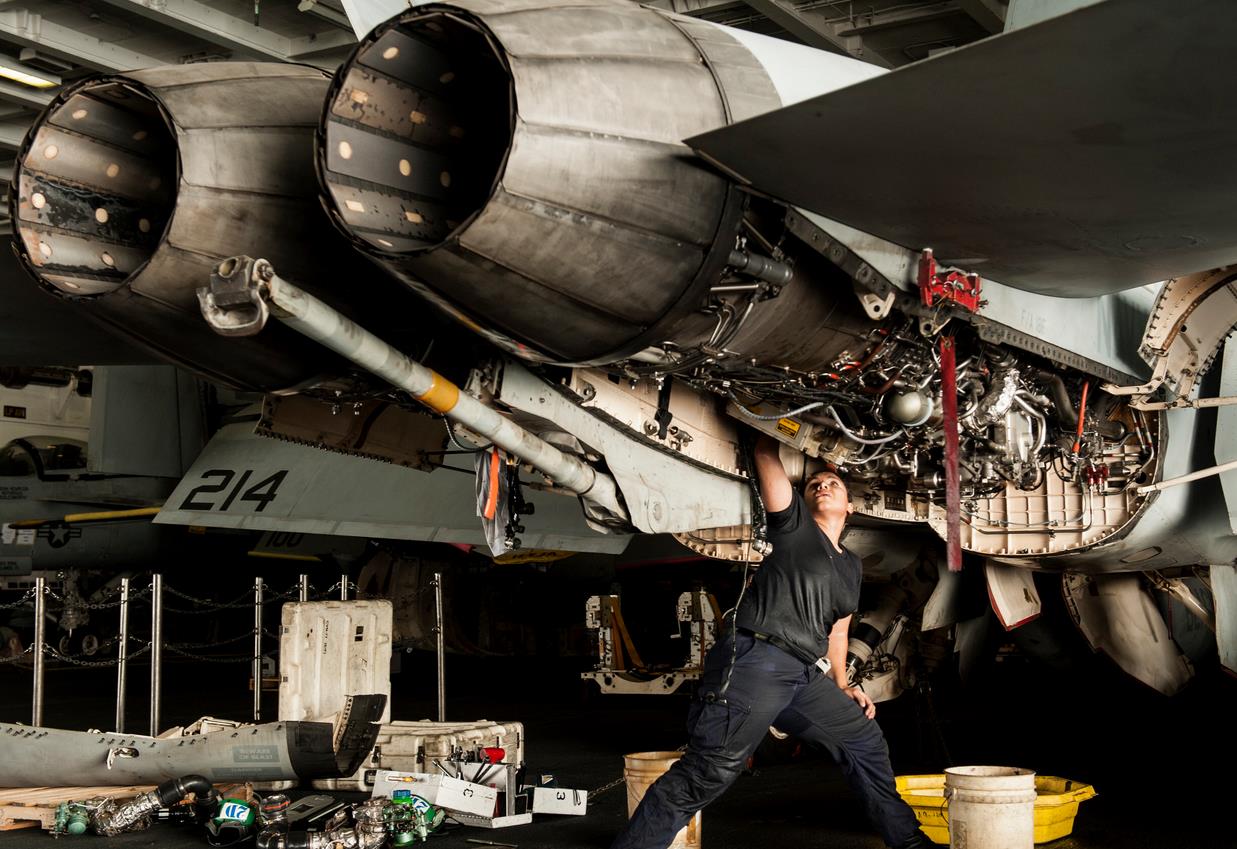
To ground product decisions in operational reality, I led contextual research within active military maintenance facilities.
Designers observed technicians, shadowed workflows, and documented inefficiencies caused by fragmented systems.
This research identified opportunities to:
Reduce manual data transfer between systems
Improve access to technical documentation
Streamline job tracking and maintenance workflows
These insights directly influenced product roadmaps and modernization priorities.
5. Designing a Mobile Application for Aircraft Maintenance Operations
Based on field research, we initiated design of a mobile application to support technicians working on the shop floor.
Previously, mechanics relied on multiple desktop systems and manual data transfer. The mobile solution unified:
Job assignments and status tracking
Access to technical documentation
Maintenance workflow coordination
We began development through design sprints involving technicians from multiple global maintenance facilities. The application progressed into field trials and represented a major shift toward field-optimized tooling.
6. Scaling UX Across Military Aviation Programs
As UX impact became clear, additional portfolios requested support.
I hired additional designers and expanded UX coverage across multiple programs. I later promoted the initial team lead to Design Principal, where she worked directly with senior leadership to align UX strategy with organizational priorities.
UX became integrated into product planning, research, and innovation efforts across military aviation.
Outcomes & Impact
This effort established a sustainable UX capability within military aviation programs.
Key outcomes included:
Built and scaled a dedicated UX team supporting multiple military aviation portfolios
Introduced structured research, discovery, and design practices where none had existed
Influenced development of a unified enterprise portal consolidating ~50 operational tools
Conducted field research that shaped enterprise product roadmaps and modernization initiatives
Designed a mobile maintenance application that streamlined technician workflows
Embedded UX into strategic planning and executive decision-making
Developed senior UX leadership, including promotion of a Design Principal
UX evolved from temporary project support into a core capability shaping mission-critical aviation software.
My Role
I led the creation and scaling of the military aviation UX practice, including:
Defining UX strategy and organizational integration
Leading hiring and development of senior designers
Mentoring designers and emerging UX leaders
Established discovery and design sprint practices by partnering with facilitators and mentoring design leads
Leading field research and contextual inquiry initiatives
Integrating UX into product strategy and roadmap planning
Expanding UX support across multiple military aviation portfolios
This work demonstrated how UX could operate effectively within highly regulated, mission-critical environments and established a lasting design capability within military aviation.
US Navy Photo
5
Designers mentored
50+
Aviation tools in scope
3
MRO facilities supported