Independent Product Development
SkillPlot: Designing a Career Framework Product and its Shared Design System


Making career development tangible
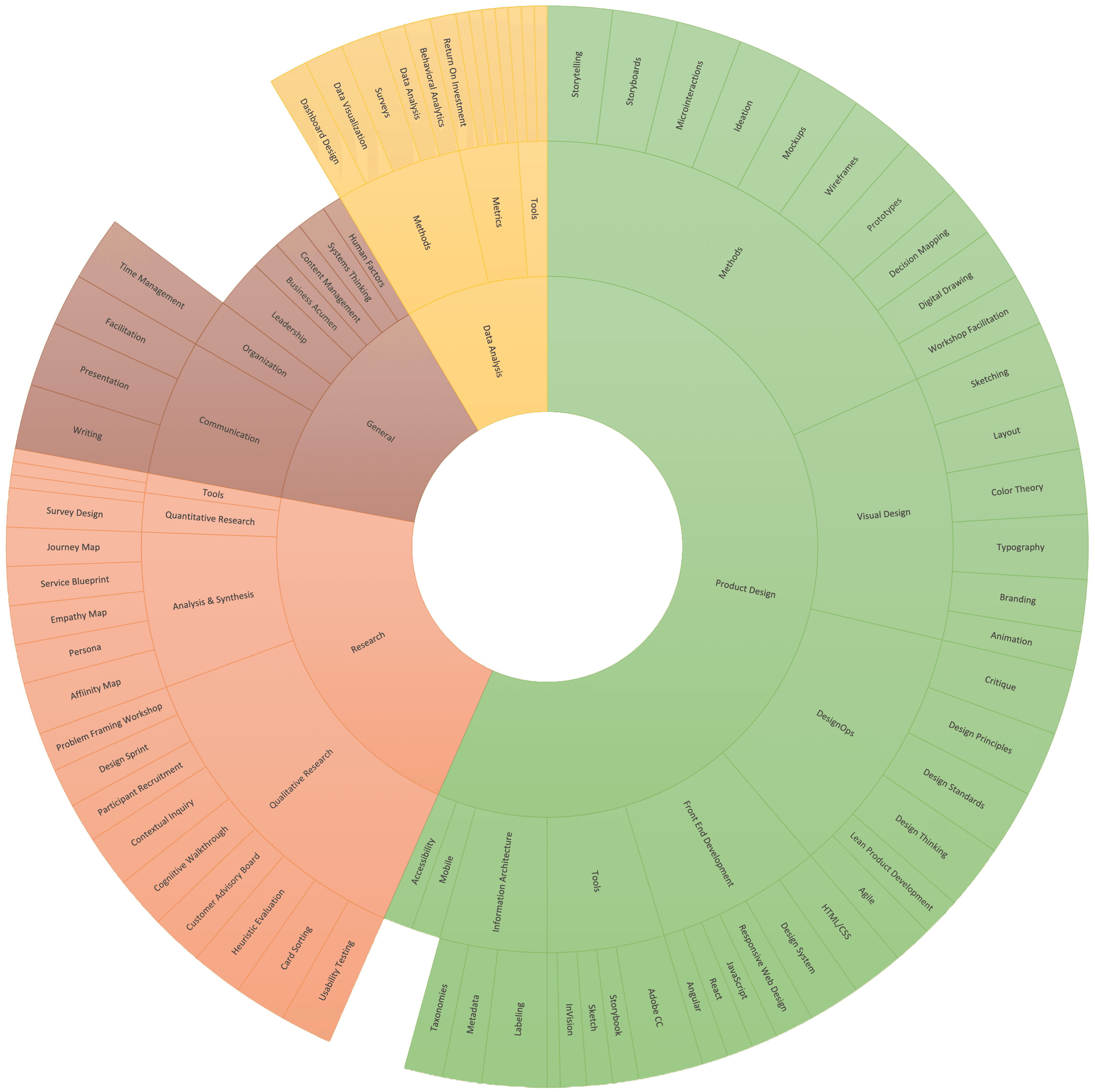
Competency frameworks describe career progression, but often leave employees unsure where they stand or what to work on next. Managers face a related problem: translating individual assessments into a useful view of team strengths, gaps, and development priorities.
I’m developing SkillPlot as a workforce capability intelligence platform to make those questions visible and actionable. The initial focus is product design and UX organizations, drawing on my experience building career architecture and skills-evaluation tools in enterprise UX. SkillPlot is an independent product project, separate from that earlier organizational work.
My role and approach
As a solo founder, I lead product definition, interaction design, design-system development, and AI-assisted implementation. I began the project in February 2026 to learn how to develop a product with AI agents and explore a potential business.
I created a structured process combining detailed specifications, milestone planning, architecture reviews, design system governance, and implementation agents. The work makes my decisions inspectable: what a feature should do, why it matters, how it is implemented, and what evidence is needed to accept it.
From individual assessment to team insight
The working application includes configurable competency frameworks; self, peer, and manager assessments; interactive radar charts; individual development insights; team capability maps; mentorship recommendations; and workforce planning. These views serve different decisions while sharing the same underlying skill model.
The team maps shown above compare hard and soft skills across a demonstration team. Managers can change evaluation perspectives, compare people with a team average, and show job-level benchmarks. The challenge is to preserve the context of a rating as the view changes.

SkillPlot’s Team Health Summary, shown with seeded demo data. The summary separates advancement, capability, mentorship, and concentration risk, with links to the relevant detail. The values illustrate application behavior, not measured customer results.
Jackinbox: designing the system alongside the product
Alongside SkillPlot, I’ve developed Jackinbox as a shared design system. SkillPlot consumes its tokens and reusable UI foundations rather than maintaining a separate visual language. Jackinbox owns shared color, typography, spacing, component structure, and interaction guidance; the product owns its evaluation workflows and domain logic.

Jackinbox’s live component library exposes rendered examples, documented variants, and theme controls. Its framework-agnostic builders generate canonical markup; an optional React adapter uses the same contracts. The library gives me a place to inspect a shared component before seeing how it behaves in a product workflow.
This creates a practical feedback loop between system and product. A product need can reveal a gap in the shared foundation, while a shared improvement has to be adopted and checked in the consuming application. Design system governance is part of the development method, not a separate styling exercise.
Keeping the interface honest about its data
A recurring design problem is how to make complex assessment information useful without overwhelming the person reviewing it. The development-priority matrix, skill detail views, and historical comparisons connect summaries to the evidence behind them.

The development-priority matrix separates gaps against current-role benchmarks from advancement impact. Skill details connect the summary to ratings, benchmarks, and evidence. Shown with seeded demo data.
AI-assisted development as a design practice
AI agents help me implement and iterate, while I remain responsible for product direction, requirements, design judgment, and review. Specifications and acceptance criteria provide a basis for evaluating the result instead of treating generated code as evidence that the problem has been solved.
Current state and next questions
SkillPlot is an advanced working prototype under active development. Its core evaluation and decision-support workflows are implemented, with seeded demonstration scenarios for inspection and testing.
The next questions are about user validation and customer discovery: whether managers and individual contributors understand the views, find the guidance useful, and see value in bringing competency frameworks into everyday development conversations. Broader adoption and business outcomes remain to be established.
4
Months from vision to functional product